
System Guides
What Goes Into a 177 kW Hybrid Solar + Storage Container? A Real EPC Order, Broken Down
A real 40-foot container order broken down: 282 modules, 15 inverters, 191 kWh of batteries, combiner boxes, mounting and cable.
A single 40-foot container recently left our warehouse carrying everything needed for a 177 kW hybrid solar-plus-storage project: 282 PV modules, 15 inverters, about 191 kWh of lithium batteries, combiner boxes, two mounting systems, and 2,000 metres of DC cable. Forty-six packages, just under 14 tonnes, one container. This article breaks down exactly what was inside, and why each part matters — so you can check your own bill of materials against a real order before you place one.
The container at a glance
The order came from an EPC client in Ecuador who needed a complete system, not a single product. Here is the full packing list: 282 solar modules (600 W × 219 and 720 W × 63), 15 inverters (8 kW × 12 and 16 kW × 3), 16 batteries (51.2 V 200 Ah × 10, 51.2 V 314 Ah × 5, and 25.6 V 314 Ah × 1), 16 DC combiner boxes, 14 battery parallel cables, 2,000 m of 6 mm² DC cable, two mounting systems, and one grid-tie unit. The shipment totalled 46 packages, 13,976.5 kg gross weight, and 40.72 cubic metres — essentially a full 40-foot container. Every item below is something a project like this genuinely needs. None of it is filler.
How much solar? 282 modules, 176.76 kW DC
The modules are the largest part of the shipment by both count and weight. The order mixes two wattages: 219 modules at 600 W and 63 modules at 720 W, for a combined DC capacity of 176.76 kW. Mixing wattages in one order is common when a project has more than one roof area or mounting layout, or when availability differs between batches. What matters for your own order is string design: modules of different wattages should not be mixed on the same string unless your designer has checked the current and voltage matching. Before you confirm a module order, ask for the datasheet of each wattage and confirm with your installer how the strings will be laid out. A container of modules is only useful if every string on the roof matches what the inverter expects.
Why 144 kW of inverters for 177 kW of panels?
The 15 inverters in this order total 144 kW AC: twelve 8 kW units and three 16 kW units. That gives a DC-to-AC ratio of about 1.23 — the panel capacity is roughly 23% higher than the inverter capacity. This is normal practice, not a mistake. Solar panels almost never produce their nameplate wattage all at once: heat, dust, angle, and clouds all reduce real output, so the panels spend most of the day below peak. Sizing the inverter slightly below the panel array saves cost and is standard in residential and commercial design. The exact ratio depends on your location, roof orientation, and whether the system includes storage — a designer in the tropics will pick a different ratio from one in northern Europe. The point is that the inverter total and the panel total do not need to match, and a good supplier will explain the ratio they used and why.
The storage: about 191 kWh across three battery sizes
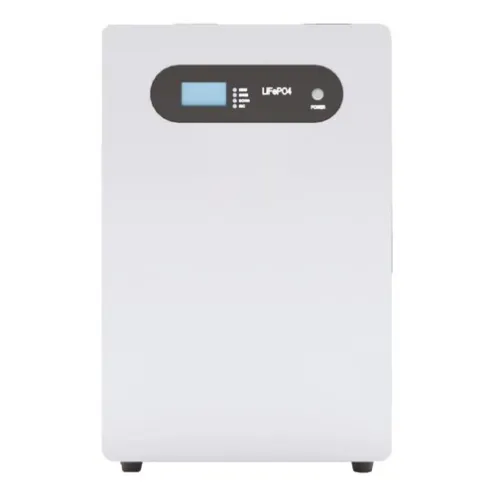
Storage is the second-largest part of this order by value. The shipment includes ten 51.2 V 200 Ah batteries (10.24 kWh each), five 51.2 V 314 Ah batteries (16.08 kWh each), and one 25.6 V 314 Ah battery (8.04 kWh) — about 190.8 kWh in total, plus 14 parallel cables for connecting them. The 51.2 V units are the standard low-voltage home-storage format and pair with 48 V hybrid inverters; the single 25.6 V unit serves a smaller, separate bank. Two things are worth checking on any storage order. First, every battery bank must match its inverter's DC voltage window — a 51.2 V battery and a 25.6 V battery do not belong on the same bank, and the configuration should be confirmed with the supplier before the order ships. Second, confirm how many batteries can be paralleled on one inverter and which communication protocol the inverter expects (CAN or RS-485), because those two details decide whether the system works as one bank or as separate banks. Ask for them in writing before you pay.
The parts buyers forget: combiner boxes, cable, and mounting
The small items on a packing list are the ones that delay projects when they are missing. This order includes 16 DC combiner boxes: ten 1-in-1-out, four 2-in-2-out, and two 3-in-3-out. Combiner boxes gather the strings from the roof, protect them with breakers and surge protection, and send a smaller number of runs down to the inverter. The mix of sizes here matches the different string layouts across the project's arrays. The order also includes 2,000 metres of 6 mm² DC cable — a length that is easy to underestimate, because the cable run from the far end of a roof to the inverter room is often longer than the drawings suggest. Then there are two complete mounting systems and one grid-tie unit. Mounting is the part of a solar project that is most specific to the site: tile roof, metal roof, flat roof, and ground mount each need different rails, clamps, and fixings, and the wrong set cannot be fixed on site with a different box. If you are ordering a system, send photos of the roof and the roof material with your enquiry, so the mounting system is quoted to match the site rather than guessed.
What to check before you place a container order
A container order is a single shipment, so a mistake in the list becomes a mistake on the roof. Use this checklist before you confirm: one, confirm the string layout and the inverter DC-to-AC ratio with your designer. Two, confirm each battery bank's voltage and the maximum number of parallel units with the supplier. Three, confirm the combiner box configuration against the string count. Four, confirm the mounting system against the actual roof type, with photos. Five, confirm the cable length against the measured run from the array to the inverter, not the drawing estimate. And six, confirm the freight early — this order filled 40.72 cubic metres and weighed just under 14 tonnes, which is a full 40-foot container, and freight and loading need to be booked around the factory's packing schedule, not after it.
Can you order the same kit?
Yes — a system like this is a starting point, not a fixed product. The right configuration depends on your site: daily load, roof area and type, grid rules, and how much backup you need when the grid goes down. Send us the project location, the roof photos, the load list, and the number of hours of backup you want, and we will quote the full system — modules, inverters, batteries, combiner boxes, mounting, and cable — as one container-ready order, with the string layout and battery configuration confirmed before shipment.
Frequently asked questions
Can I order only the batteries? Yes. Batteries, inverters, and mounting are all available separately, and we will confirm inverter compatibility before quoting.
Do you supply the mounting system to match my roof? Yes — send roof photos and the roof material, and the mounting system is quoted for that roof type.
How long does a container order take to prepare? Lead time depends on the factory schedule and your configuration. Ask for the current lead time with your quote and we will confirm it in writing before you pay.
How do I know the batteries will work with my inverter? Send the inverter brand and model with your enquiry. We check the voltage window and communication protocol (CAN or RS-485) and confirm compatibility before the order is placed.